English| EUR
Suggested for you
More currencies
Choose a language
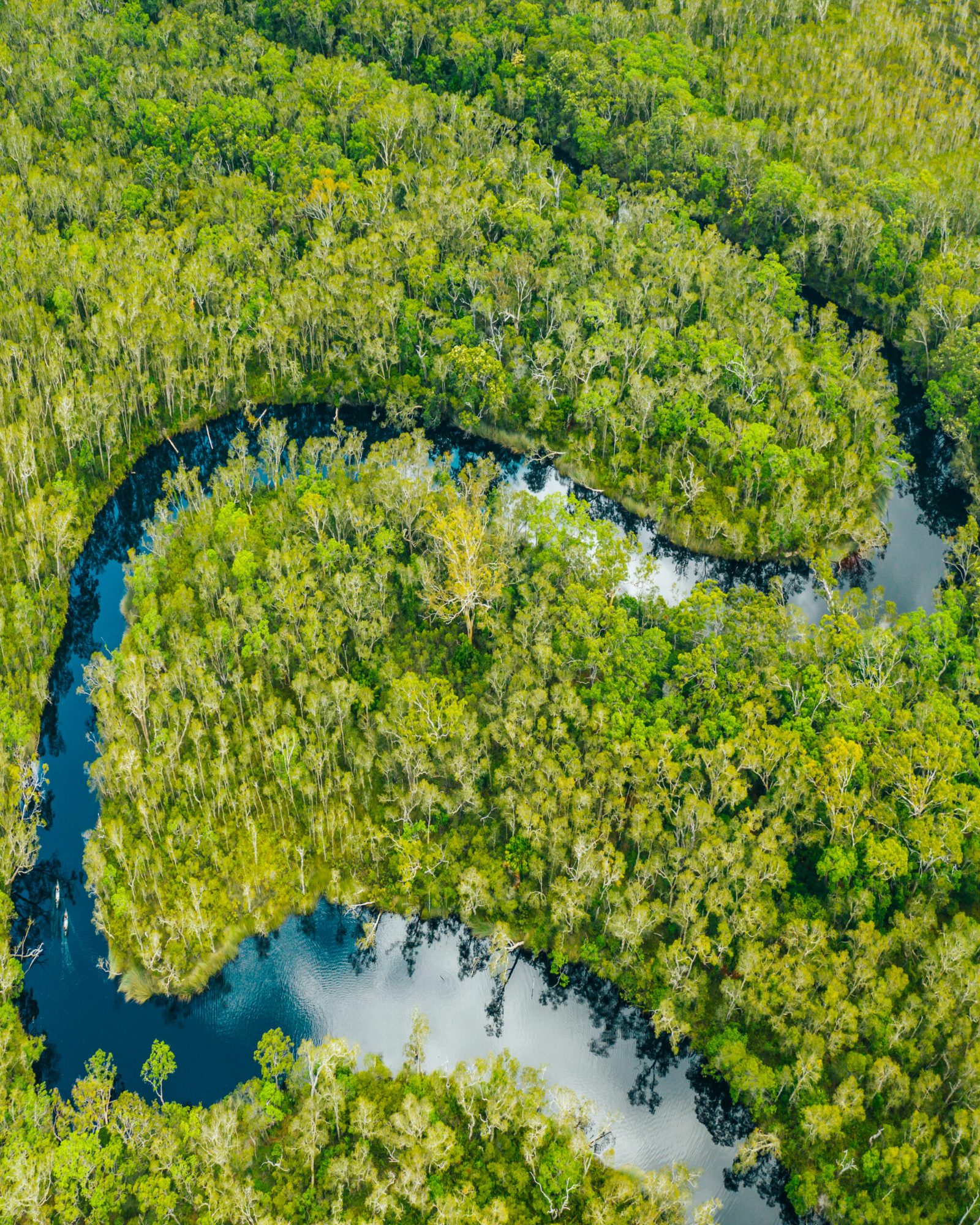
The Noosa Everglades sit 200 kilometres south of Queensland's crocodile zone, far enough from tropical habitat to keep saltwater crocodiles out of the system. Freshwater habitats this far south lack the salinity, tidal flow, and temperature range that support crocodile populations, leaving the waterway home to water dragons, carpet pythons, and freshwater turtles instead.
Quick answer
No, there are no crocodiles in the Noosa Everglades. The river system lies outside the known range of both saltwater and freshwater crocodiles in Queensland. Water temperatures, salinity levels, and the absence of tidal estuarine conditions make the habitat unsuitable for crocodile populations. The southernmost confirmed sighting of a saltwater crocodile in Queensland remains well north of the Sunshine Coast, with the species reliably found only above Gladstone.
The Noosa River system drains into a sheltered bay rather than an open tidal estuary, and its freshwater reaches never exceed the salinity threshold saltwater crocodiles require for long-term survival. Water temperature plays an equally decisive role—crocodile eggs require consistent warmth above 28°C to incubate successfully, and the Noosa Everglades' winter lows fall well below that range. The river's thermal profile, combined with its geographic isolation from northern waterways, creates a natural boundary that has kept crocodile populations from establishing themselves this far south. When paddlers ask are there crocodiles in the Noosa Everglades, the answer reflects both current observations and decades of wildlife monitoring across Great Sandy National Park. Queensland's Department of Environment and Science maps crocodile distribution annually, and the Noosa catchment has never registered a breeding population or sustained sightings. Reptiles do thrive here—eastern water dragons bask on fallen logs, carpet pythons hunt in the melaleuca canopy, and saw-shelled turtles forage along the riverbed—but none occupy the apex predator niche that crocodiles fill farther north. The distinction matters for tour operators and independent paddlers alike. Without crocodile risk, the Noosa Everglades support year-round kayaking, swimming at designated zones, and shoreline camping within Great Sandy National Park. The river's dark tannin-stained water earns its River of Mirrors nickname from the glassy reflections that form in still morning air, a phenomenon most vivid between dawn and mid-morning when surface wind remains calm. Paddlers launching from Boreen Point typically reach the mirror zone within ninety minutes, threading through paperbarks and reed beds that line the upper tributaries. Reptile encounters do occur—water dragons are common along sun-warmed banks, and carpet pythons occasionally cross exposed sandbars—but neither species poses a threat to kayakers maintaining a respectful distance. The absence of crocodiles shifts the safety calculus toward sun exposure, hydration, and navigation rather than wildlife vigilance, allowing visitors to focus on the river's botanical and hydrological features without the alertness required in northern Queensland's estuarine zones.
“The Noosa River's thermal profile and salinity create a natural boundary that has kept crocodile populations from establishing themselves this far south.”
Because the Noosa Everglades share geographical similarities with tropical wetlands, visitors often confuse them with habitats further north. However, the region is outside the established range of dangerous crocodilian species.
MythThere are crocodiles in the Noosa Everglades.
FactThe Noosa Everglades are located too far south for saltwater crocodiles. The environment is safe for kayaking and contains no man-eating predators.
MythThe water is full of dangerous reptiles.
FactWhile diverse, the wildlife in the Great Sandy National Park does not include crocodiles. You may encounter turtles, water dragons, and various bird species instead.
MythThe Everglades are unsafe for swimming or paddling due to wildlife.
FactThe Noosa Everglades are a freshwater environment considered safe for human water activities. There are no crocodiles or other apex predators that pose a threat to visitors.
The best arrival window is 06:00–09:00, which provides the calmest water conditions for paddling in the River of Mirrors. Arriving early ensures optimal lighting and avoids the heat of the day.
—
Lower visitor numbers provide a quieter experience on the water.
Mild temperatures 15°C–25°C
Stable conditions are favorable for longer paddling excursions.
Warm temperatures 18°C–26°C
Pleasant weather precedes the peak summer humidity and heat.
Verdict: The best time to visit is during the shoulder seasons of April or October, arriving between 06:00 and 09:00 to experience the calmest water.
The Noosa Everglades are located within the Great Sandy National Park. Access is primarily gained via Boreen Point, which serves as a common launching area for visitors entering the park.
Follow Cooroy-Noosa Road and Tewantin-Noosa Road to Boreen Point
Take the Bruce Highway (M1) and exit toward Cooroy/Tewantin
The park is accessible 24 hours a day. Plan to arrive between 06:00–09:00 to experience the calmest water conditions for paddling.
Access to the Great Sandy National Park is free of charge. Commercial tour operators may charge separate fees for guided services and equipment rental.
Verdict: The entry fee to the park is 0 AUD, though visitors may pay separate costs if choosing a commercial tour package.
A day paddling through the Everglades requires sun protection, hydration, and waterproof storage for a safe and comfortable experience.
Everything you need to know about are there crocodiles in the noosa everglades
No, there are no crocodiles in the Noosa Everglades. The region is located too far south of the tropical waters where saltwater crocodiles typically inhabit. Visitors often ask are there crocodiles in the Noosa Everglades, but you will only encounter diverse birdlife and native fish during your paddle. Many people curious if are there crocodiles in the Noosa Everglades find peace of mind knowing the ecosystem is free of these reptiles. For those still wondering are there crocodiles in the Noosa Everglades, rest assured that the upper Noosa River is safe for kayaking.
While you do not need to worry about apex predators like crocodiles, the area remains a wild environment. Visitors should respect all local wildlife and maintain a safe distance from snakes or spiders, which are common in Australian bushland. Always follow marked trails and listen to guidance from experienced tour operators.
The best arrival window is between 06:00 and 09:00 to ensure calm water conditions. This timeframe offers the best lighting for photography and a more serene atmosphere on the River of Mirrors. Arriving early also helps you avoid the heat of the day during the summer months.
There is a 0 AUD entrance fee for the national park itself. While access is free, commercial kayak tours may charge separately for equipment, guiding, and logistics. Check your booking details for any inclusions provided by your tour operator.
Yes, it is generally safe to visit this area with children who are comfortable on the water. The calm, protected waters make it an excellent location for families to experience nature together. Ensure all children wear appropriate safety gear provided by your rental or tour service.
The biggest mistake is assuming the local climate supports crocodiles, leading to unnecessary anxiety. Because the Noosa Everglades is not a tropical swamp, it lacks the specific habitat requirements for large crocodilians. Focus instead on the unique flora and fauna that define this beautiful UNESCO-recognized biosphere.