
English| EUR
Suggested for you
More currencies
Choose a language
The Noosa Everglades span 60 kilometers of tannin-stained waterways fed by Coondoo and Kinaba creeks, where the mirror-still surface reflects scribbly gums and paperbark in near-perfect symmetry. Paddlers arrive with one question above all others: is the environment as benign as it looks, or does the wilderness conceal risks that guidebooks understate? This page answers that question with verified facts about water conditions, wildlife behavior, and the weather patterns that determine safe passage.
Quick answer
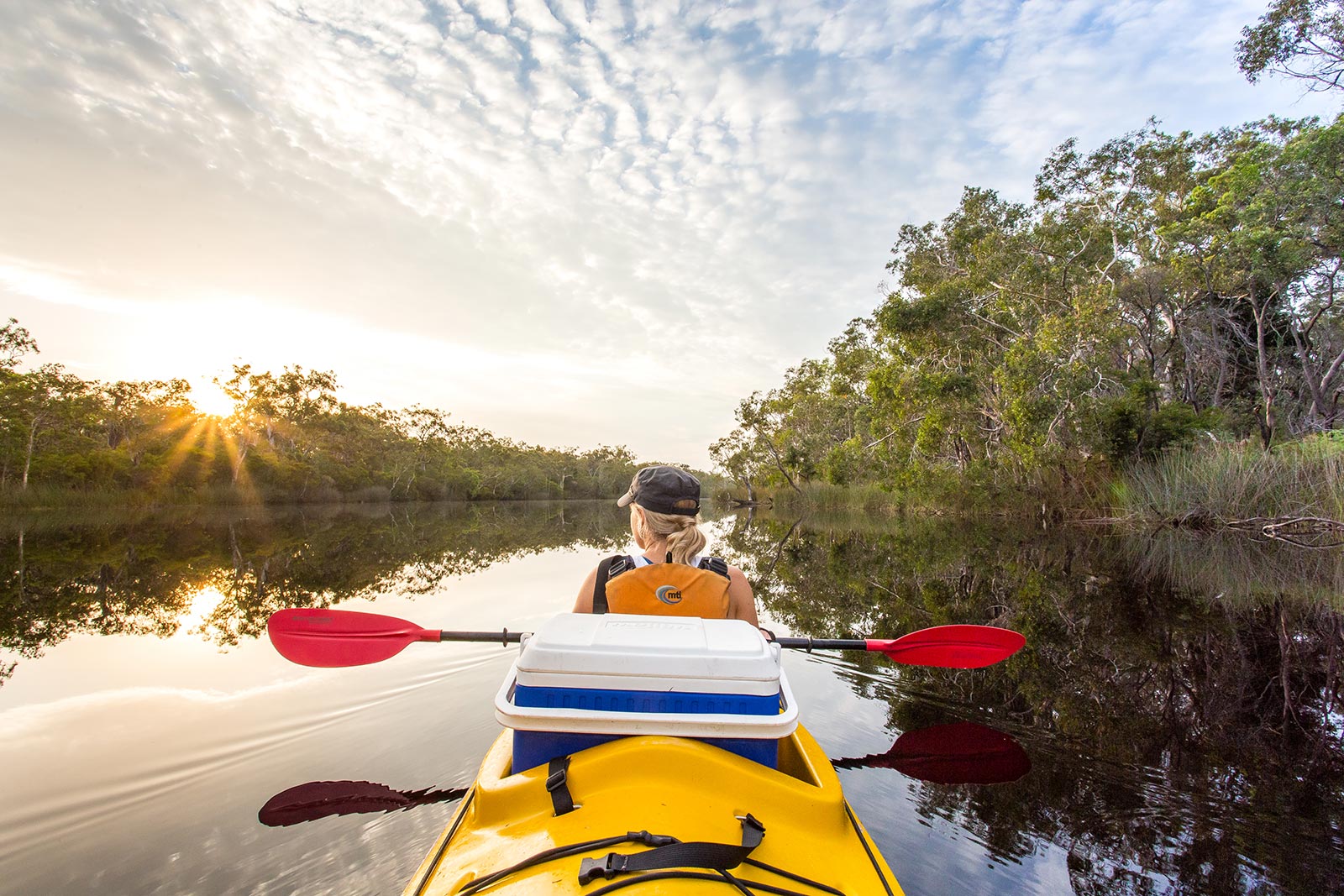
Yes, kayaking in the Noosa Everglades is safe for paddlers of all skill levels. The waterways are calm, shallow, and free-flowing with no rapids or strong currents. Saltwater crocodiles do not inhabit the system—the tannin-rich freshwater and distance from tidal zones make the habitat unsuitable. Weather remains the primary variable: wind can roughen Upper Noosa Lake after midday, and summer storms build quickly, so early-morning starts between 06:00 and 10:00 offer the most predictable conditions.
The Noosa Everglades hold the distinction of being one of only two everglade systems in the world, yet they bear little resemblance to their Florida namesake. The water here runs dark with tannins leached from ti-tree and eucalyptus, creating the River of Mirrors effect that draws photographers and paddlers alike. The question of safety arises not from sensationalism but from reasonable caution—any remote waterway invites scrutiny, and visitors arriving from overseas often conflate the Australian wilderness with categorical danger. The short answer is that kayaking the Noosa Everglades is safe, provided you respect the environment and choose your weather window with care. The waterways flow gently through Cooloola National Park, with no rapids, weirs, or tidal surges. Depths range from one to three meters in most channels, and the current remains negligible except after heavy rain. Saltwater crocodiles, the apex predator that haunts northern Queensland rivers, do not inhabit the system. The upper Noosa River and its feeder creeks sit too far inland, and the tannin content renders the habitat unsuitable for species that prefer brackish estuaries. Wildlife encounters remain benign. Eastern water dragons sun themselves on fallen logs, and the occasional turtle surfaces near the kayak bow. Birdlife includes white-bellied sea eagles, azure kingfishers, and jabiru, none of which pose a threat. Snakes, while present in the surrounding bushland, rarely enter the water, and no verified reports of aggressive behavior exist in the park's records. The ecosystem supports fish species—bream, flathead, and mangrove jack—that attract recreational anglers but present no danger to paddlers. Weather constitutes the only variable that demands vigilance. Mornings deliver glassy water and the reflections that define the River of Mirrors, but wind picks up after 11:00, particularly across the exposed surface of Upper Noosa Lake. Summer afternoons from December through February see convective storms build rapidly over the hinterland, bringing lightning and sudden gusts. Paddlers who launch at dawn and return by midday navigate the system at its calmest. Those who extend into afternoon hours should monitor the western sky and know the location of pull-out points along the route. Is kayaking in the Everglades safe? Yes, with the qualifier that applies to any wilderness paddle—knowledge of conditions and respect for weather patterns separate a pleasant outing from an avoidable struggle. The Noosa Everglades reward preparation with an experience that lives up to its reputation: a serene, navigable waterway through one of Australia's most distinctive ecosystems.
“The Noosa Everglades reward preparation with an experience that lives up to its reputation: a serene, navigable waterway through one of Australia's most distinctive ecosystems.”
The best arrival window is 06:00–10:00, which offers calm, glassy water conditions ideal for viewing the River of Mirrors reflections. Navigating during these early hours minimizes exposure to heat and wind, providing the safest environment for kayaking.
Mild 15°C–25°C, stable winds
Cooler temperatures and lower rainfall make this period optimal for stable paddling conditions.
Cool 10°C–22°C, very little rain
Minimal wind and low humidity reduce exertion and heat-related risks during the morning hours.
Warm 18°C–28°C, increasing humidity
Rising temperatures make early morning starts essential to avoid midday heat exposure.
—
Midweek sessions offer quieter waterways and enhanced safety through reduced boat traffic and calmer conditions.
Verdict: The safest and most optimal experience is found during the 06:00–10:00 window, ideally between April and October to avoid peak summer heat.
The Noosa Everglades are located at Elanda Point Road, Como, Queensland 4571, Australia. Driving is the most reliable method to reach the departure point for kayak excursions.
Follow Elanda Point Road to Como
Translink services to Noosa Heads then taxi
Direct to Elanda Point Road
Plan your travel to arrive between 06:00–10:00. This window provides calm, glassy water conditions ideal for viewing the River of Mirrors reflections.
Access to the Noosa Everglades national park area is provided at no cost. Financial requirements only apply if you choose to participate in guided excursions or require equipment rental.
Verdict: The base entry fee is 0 AUD, with total costs depending solely on whether you engage a commercial tour operator or hire rental equipment.
The Noosa Everglades are accessible daily throughout the week. Visitors may plan their trips at any time during these hours.
Complete these steps before departure to ensure a safe and smooth kayaking experience.
Everything you need to know about is kayaking in the everglades safe
Kayaking in the Noosa Everglades is generally considered safe for beginners as the water is typically calm and sheltered. We recommend checking current conditions before your departure to ensure a comfortable experience on the River of Mirrors.
Safety in the Noosa Everglades involves staying within designated waterways and following local guidelines to protect the delicate biosphere. While is kayaking in the everglades safe is a common inquiry, staying mindful of your surroundings and the environment is key.
To ensure is kayaking in the everglades safe, it is wise to avoid paddling during high winds or heavy rainfall. The calmest, most stable conditions for exploring this unique aquatic environment are found during the early morning hours.
While the area is managed, is kayaking in the everglades safe concerns often relate to natural elements like sun exposure and hydration. Preparing with appropriate sun protection and carrying sufficient water helps maintain a secure and enjoyable journey.
Many families find that exploring the region is safe when following guided recommendations and wearing life jackets. Always supervise children closely while on the water to maintain high standards of safety throughout your trip.
The best preparation includes arriving during the optimal morning window to experience the glassy water. Ensure you have assessed your fitness level and reviewed the necessary safety procedures for navigating this iconic Queensland landmark.